
Wood Fences Built to Last
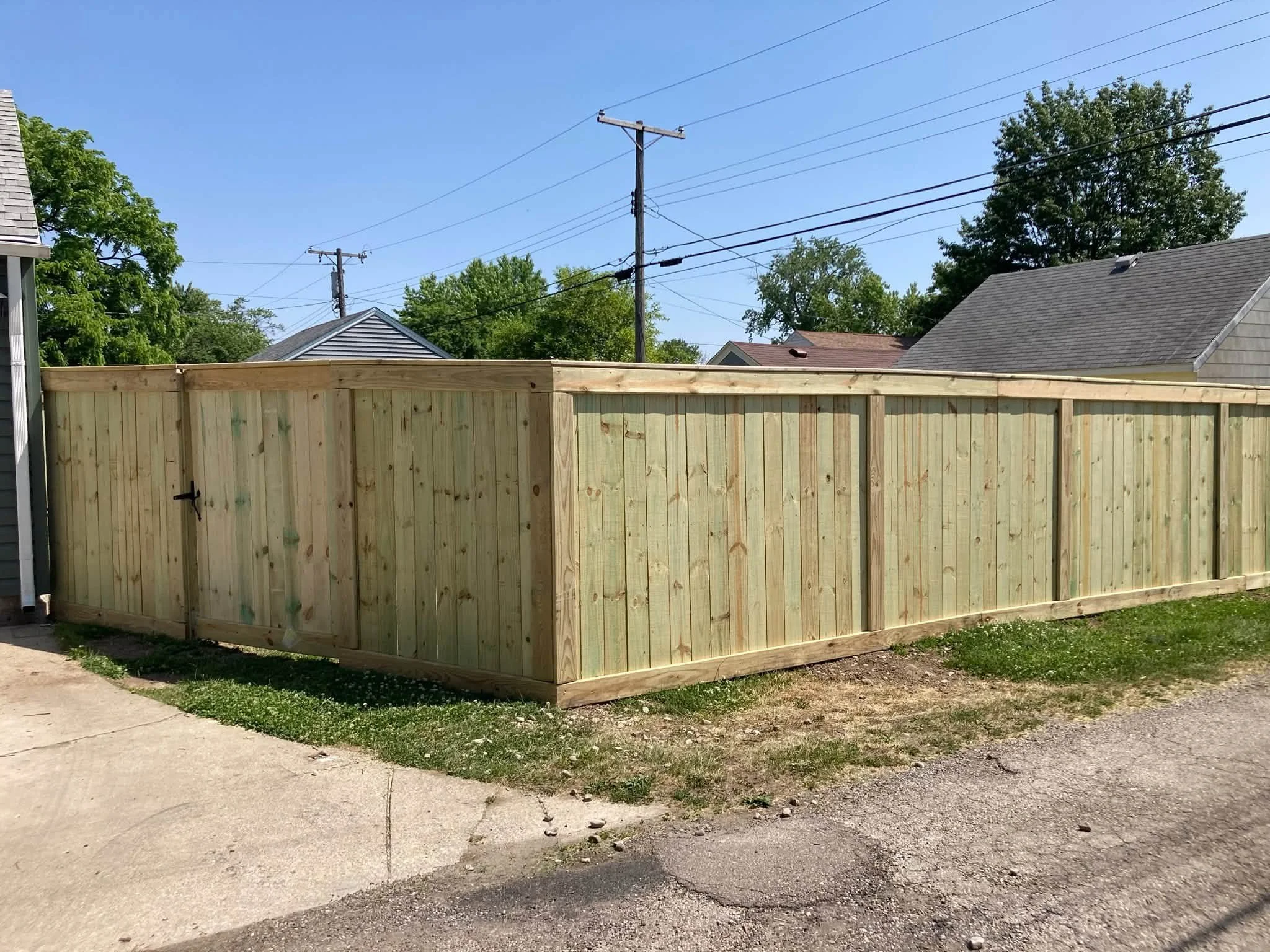
Wood is the fence most people picture: a 6-foot privacy fence, a 4-foot picket, or a shadow-box that looks good from both sides. We build in pressure-treated pine or cedar, on Postmaster steel posts driven 40 to 50 inches below grade instead of wood posts in concrete. The post is wrapped with a picket on the inside, so you never see steel; you just get a wood fence whose posts don't rot, lean, or snap off at the ground. The part that fails first on everybody else's fence is the part that will stand after the house is gone.
Good for: Privacy, backyard pets, matching an older neighborhood, anyone who wants to stain it their own color.
Styles we build: Privacy (dog-ear or flat top), board-on-board / shadowbox, picket, horizontal, Kentucky 4-board. Gates to match.
What to expect: We leave new wood fences unfinished. Pressure-treated lumber needs to dry 6 to 12 months before stain or sealer will take, so plan to stain next season. We don't paint or stain.
Cost: Third of the four: less than vinyl or aluminum, more than chain link.
Maintenance: Stain or seal every 3-5 years for the longest life.
No Digging. No Concrete. No Mess.
No mess · No rot · No repairs
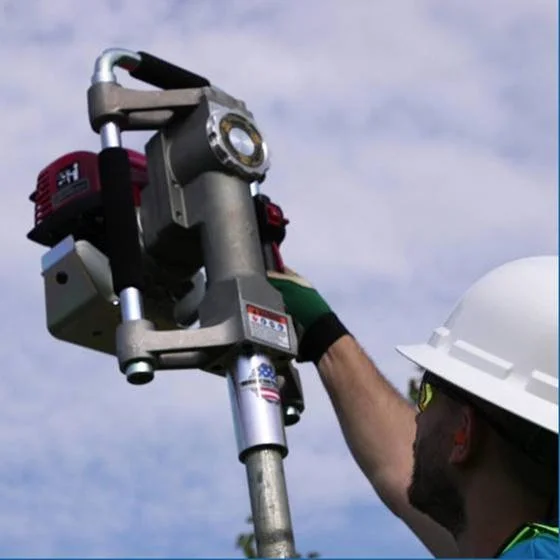
Most fence companies dig a hole, drop in a post, and pour concrete around it. We don't. Every fence we build stands on steel posts driven well below the frost line, into solid, undisturbed ground. No digging, no concrete truck, no pile of dirt in your yard, and nothing to settle or heave when the ground freezes.
A driven steel post is simply a better post. It doesn't rot the way a wood post does at the ground line. It doesn't snap off at the base where a concrete collar holds it rigid. And because it's anchored in packed earth instead of a hole we dug and backfilled, it stands up to wind the way a fence should. It's the strongest way we know to build a fence, so it's the only way we build one.